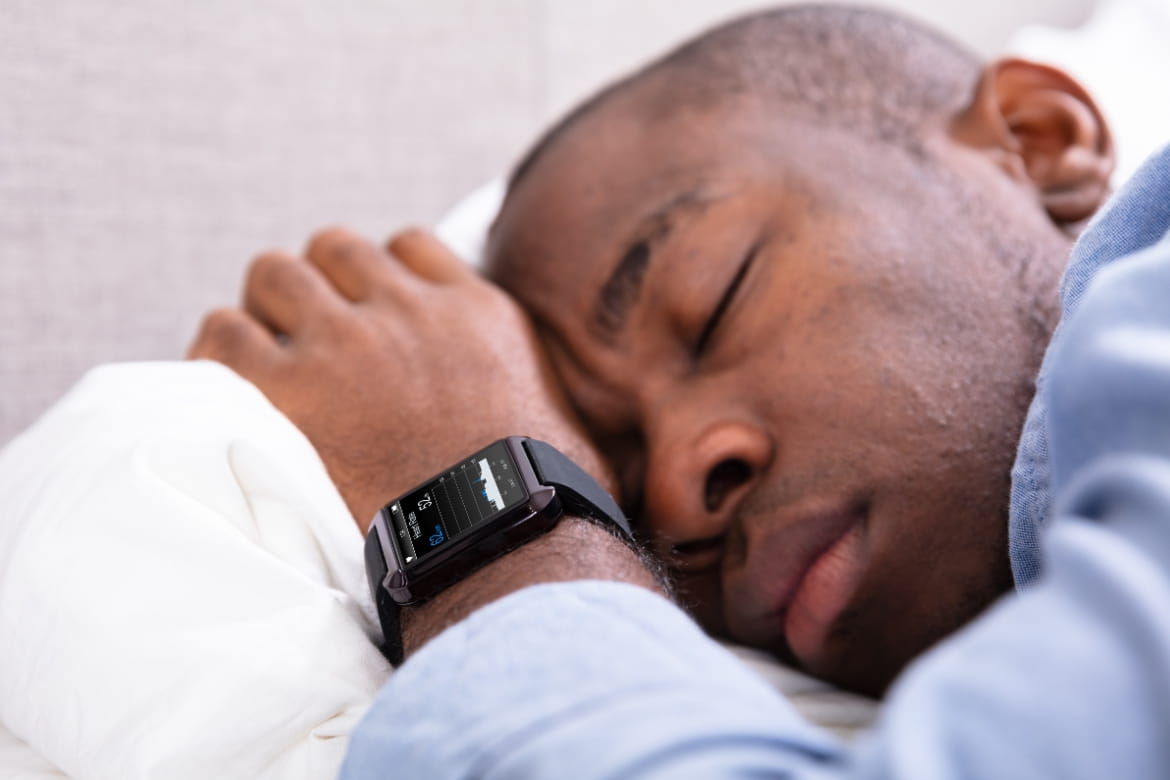
A sleep study can help diagnose conditions that interrupt your sleep and affect your health. At Banner Health, we offer both in-center and at-home sleep testing options to help you get the answers you need in the most comfortable setting possible.
Our sleep specialists will guide you from evaluation to results so you can move forward with a treatment plan that supports better rest.
A sleep study, also called a polysomnogram, monitors your breathing, brain activity and body movements while you sleep. This data helps your care team understand what’s causing your sleep problems.
Sleep studies may be recommended if you experience:
Your sleep medicine provider will recommend the right test for your situation. Common options include:
A convenient option that allows you to sleep in your own bed. A portable device measures breathing and oxygen levels.
Ideal for:
If results are unclear, a follow-up in-center study may be recommended.
A non-invasive overnight test performed in a quiet, comfortable Banner sleep lab.
Monitors:
Pediatric sleep labs include child-friendly rooms and a space for caregivers to stay overnight.
Most sleep studies last 6–8 hours and are scheduled around your normal sleep routine. You will typically go home the next morning.
Your team may include:
Together, they will review your results and create a personalized treatment plan.
You may be asked to:
You’ll receive detailed instructions before your study.
Schedule a sleep evaluation
Get started with a referral from your primary care provider or contact our team today.
Find a sleep specialist
Our providers are ready to help you sleep better.

 Sign in to Patient Account